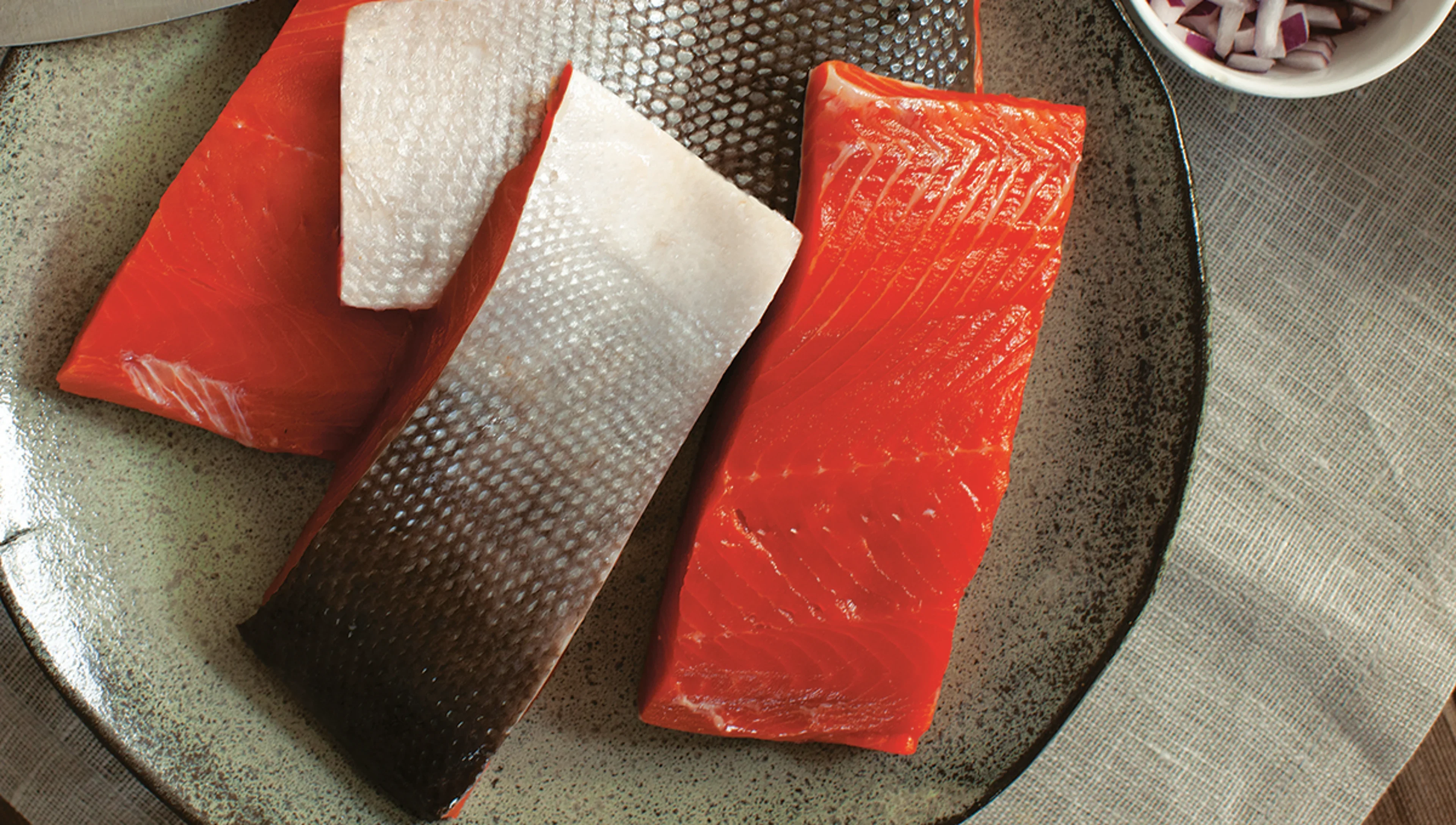
SEAFOOD
While we specialize in premium meats, we do bring in seafood when we can source quality products—especially customer favorites like salmon.
Because of how seafood is handled and transported, all of our seafood is previously frozen. This is standard across the industry and ensures both safety and quality.
The key to great seafood at home comes down to two things:
- Proper thawing
- Proper cooking (without overcooking)
Seafood cooks faster than any other protein. Once you understand timing and temperature, it becomes one of the easiest things to prepare.
STARTING WITH FROZEN SEAFOOD (IMPORTANT)
Why Seafood Is Frozen
- Freezing seafood:
- Preserves freshness
- Reduces risk of parasites
- Locks in quality during transport
This is not a downgrade in quality—it’s the standard.
HOW TO THAW SEAFOOD PROPERLY
Best Method: Refrigerator Thawing (Recommended)
1. Keep seafood in original packaging or place in a sealed bag
2. Put in the refrigerator
3. Allow 12–24 hours to thaw
Faster Method: Cold Water Thaw
1. Place seafood in a sealed plastic bag
2. Submerge in cold water
3. Change water every 20–30 minutes
Typical thaw time: 30–60 minutes
DO NOT:
- Thaw at room temperature
- Use warm or hot water
- Microwave to thaw (ruins texture)
After Thawing
- Pat dry thoroughly
- Cook within 1–2 days
- Do not refreeze once thawed
UNDERSTANDING SEAFOOD TYPES
SALMON
Characteristics:
- Medium fat content
- Rich flavor
- Very forgiving compared to other fish
WHITE FISH
Examples: Cod, Tilapia, Snapper
Characteristics:
- Lean
- Mild flavor
- Cooks very quickly
SHELLFISH
Examples: Shrimp
Characteristics:
- Extremely fast cooking
- Easy to overcook
THE MOST IMPORTANT RULE
Do Not Overcook
Seafood goes from perfect → dry → rubbery very quickly.
HOW TO KNOW WHEN IT’S DONE
Fish:
- Turns opaque (no longer translucent)
- Flakes easily with a fork
Salmon:
- Slightly firm
- Center can remain slightly soft (preferred)
Shrimp:
- Turns pink
- Forms a “C” shape
- Tight “O” shape = overcooked
PREPARATION BASICS
STEP 1: Pat Dry
Remove moisture with paper towels
Why: Helps achieve proper sear and prevents steaming
STEP 2: Season Simply
Seafood doesn’t need heavy seasoning.
Start with Salt, Pepper, Lemon (Optional: Garlic, Butter, Light seasoning blends)
STEP 3: Oil Lightly
- Helps prevent sticking
- Essential for grilling
COOKING METHODS
PAN SEAR (BEST ALL-AROUND METHOD)
Best for: Salmon and Fish fillets
Step-by-Step:
1. Heat pan to medium-high
2. Add oil (high smoke point)
3. Place fish in pan (skin-side down if applicable)
4. Do not move it for first few minutes
5. Cook 3–5 minutes per side depending on thickness
Key Tip:
Most of the cooking happens on the first side.
OVEN (GENTLE & EASY METHOD)
Instructions:
1. Preheat oven to 375°F
2. Place fish on baking sheet
3. Cook for 10–15 minutes depending on thickness
Good for: Beginners and even cooking
GRILLING
Instructions:
1. Preheat grill
2. Oil grates or fish
3. Use medium heat
4. Cook quickly and carefully
Tips:
- Use foil or grill mat for delicate fish
- Avoid flipping too early
AIR FRYER
Instructions:
1. Preheat to 375–400°F
2. Cook for 8–12 minutes depending on thickness
Best for:
- Salmon portions
- Smaller cuts
SALMON-SPECIFIC GUIDE
Best Cooking Methods
- Pan sear
- Oven
- Air fryer
Pan Sear Salmon (Recommended)
1. Start skin-side down
2. Cook most of the time on that side
3. Flip briefly to finish
Target Doneness
- Medium: 125–130°F
- Medium well: 130–135°F
Tip:
Slightly undercooked salmon is better than overcooked.
RESTING (OFTEN OVERLOOKED)
Let seafood rest 2–5 minutes after cooking.
Why: Allows juices to settle and finishes cooking gently.
COMMON MISTAKES
- Overcooking
- Not drying fish before cooking
- Using too high heat too early
- Over-seasoning
- Improper thawing
SIDE DISH PAIRINGS
Best Pairings:
- Rice
- Roasted vegetables
- Light salads
Flavor Enhancers:
- Lemon
- Butter
- Garlic
ALCOHOL PAIRINGS
Wine:
- Sauvignon Blanc
- Chardonnay
Beer:
- Light lagers
- Wheat beers
FAMILY FRIENDLY NOTES
Moderate:
- Salmon is the best entry point
- Mild white fish is also approachable
FINAL NOTE
Seafood is simple once you understand it: Thaw it properly, cook it quickly and don’t overdo it.
Not sure how to cook the seafood you picked up?
Ask our team—we’ll walk you through the best method based on exactly what you’re making.


